
Never pay ahead of the work again.
Your money sits in FDIC-insured, licensed Utah escrow — not a contractor's account. It only moves when work is proven with photos, video, and GPS, and you've approved it with a tap.
Open the notification, look at the evidence, tap approve. That's the whole job. The escrow release, the lien waiver, the receipt and the record all happen underneath it — you never chase a single one of them.
 Obra
1 DRAW WAITING
Obra
1 DRAW WAITING

You've heard the stories. Some of you have lived them.
Every one of these happens somewhere in Utah every single month — and every one of them is impossible when the money waits in escrow for proof.

The vanished deposit
Fifty percent down to "get on the schedule." Then three weeks of silence, a disconnected number, and a Facebook group full of people with the same story.
The mystery invoice
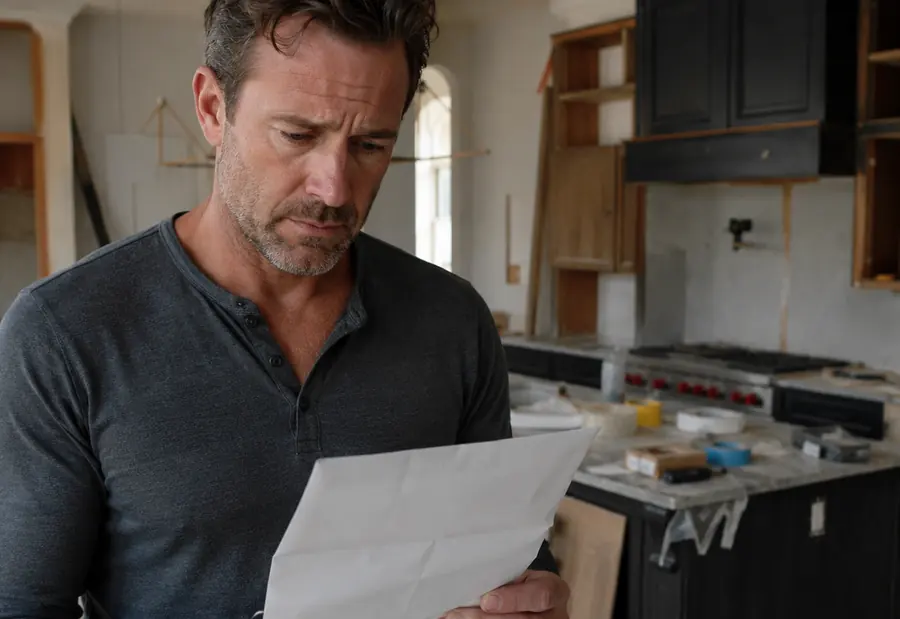
"We're about 60% done" — but the site looks the same as last month. You pay anyway, because saying no feels like starting a war with the person building your house.

The lien letter
You paid the contractor in full. The contractor didn't pay the lumber yard. Now there's a mechanics lien on your house for materials you already paid for — and it's your problem.
Five layers between your money and a bad outcome.

Licensed escrow, not a contractor's pocket
Your deposit goes to an FDIC-insured account held by a licensed Utah title & escrow company — the same regulated trust structure that closed your house. Nobody can touch it without the process.

Proof before payment, every time
No draw releases until you've seen timestamped photos and video, GPS-matched to your address, and tapped approve. "Trust me" is no longer a payment method.
The pause button
Something look off? Don't approve. The draw pauses, your money stays locked in escrow, and a review window opens. You never negotiate from behind — the funds are still yours until the work is proven.
Lien waivers, handled
A lien waiver is a signed receipt proving crews and suppliers got paid — it's what keeps a mechanics lien off your title. Obra attaches one to every draw automatically, and the final draw requires the unconditional waiver that closes the book.
The permanent record
Every photo, video, approval, and receipt is archived for the life of the project and beyond. If a question ever comes up — insurance, resale, warranty — you have the whole build on file.
One percent. Priced like the insurance it is.
1% of your project, set when you fund the escrow — the whole cost of knowing your money can't be taken. You already insure the flight, the phone, the car; this protects the biggest thing you own. No signup fees, no monthly anything. Pilot projects on the Wasatch Front get founder pricing.
One place for the money, the proof, and the people.
Finance into escrow ROADMAP
Renovation loans from partner lenders can fund your escrow directly — with the same draw controls banks demand on their own construction money. Borrowed dollars get bodyguards too.
The lien letter, dead ROADMAP
Waivers collected automatically down the whole chain — subs and suppliers sign off on every draw, so a mechanics lien can never surprise you. Your protection is total; your contractor's business stays theirs.
The home record
Your build's complete visual and payment archive — what's behind every wall, who did it, what it cost. Ready for resale, insurance, and warranty questions years from now.
Everything in one thread
Approvals, questions, change orders, receipts — attached to the project, not scattered across texts, emails, and a contractor's voicemail.
Asked at every kitchen table.
What if my contractor doesn't want to use it?
Show them the other side of the deal: contractors on Obra get paid same-day when you approve — the industry average is 74 days. Most builders who see it bring Obra to their next bid themselves, because "your money sits in licensed escrow" wins nervous clients. Send them to the contractors page.
Is my money actually insured?
Yes. Funds sit in FDIC-insured accounts held by a licensed Utah title & escrow company, subject to standard FDIC limits. Obra never holds, controls, or transmits your money — licensed escrow officers do, under the same Utah regulation that governs real-estate closings.
What if I want to change the plan mid-build?
Change orders are built in. You or your contractor proposes the change in the app, you both approve it, and the draw schedule and escrow amounts adjust. The ledger stays honest through every "while we're at it."
What if the build stalls or the contractor walks away?
The unreleased money is still in escrow — it was never in their account. A defined wind-down path returns unearned funds to you, and your evidence archive documents exactly what was and wasn't completed.
Am I going to slow my contractor down?
No — reviewing a draw takes about a minute, and you'll get a notification the moment one is submitted. Typical approval-to-release is under 24 hours, which is weeks faster than how contractors get paid today.
Start your build protected.
Now piloting with custom builds and remodels on the Wasatch Front.